Breatheology
Breathe Better – Live Better
BREATH & BREATH HOLD
8-WEEK ONLINE MASTERCLASS
TRAIN WITH STIG

Discover how better breathing can boost your energy, calm your mind, and sharpen your focus. Whether you want to improve athletic performance, build lung strength, or simply relax more deeply, the right breathwork practice can make all the difference. Start today and feel the benefits for yourself!
Your breath plays a bigger role in your energy, focus, and overall well-being than you might realize. In our training programs, we’ll guide you through powerful, science-backed breathing techniques with a simple, structured approach. Whether you want to reduce stress, enhance performance, or simply feel better in your everyday life, controlling your breath is the key. Join us and experience the benefits right away!
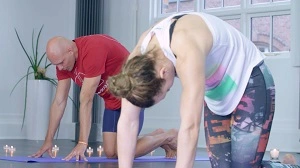
Discover the power of the Breatheology Method from the comfort of your home with guided instructional videos. Build a strong foundation in breathwork for better health, focus, and relaxation.
Learn More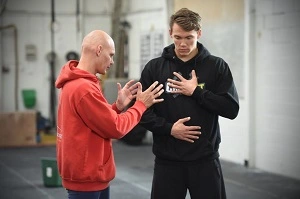
Take your breathwork practice to the next level with our premium program. Enhance relaxation, optimize performance, and strengthen your mind for peak well-being.
Learn More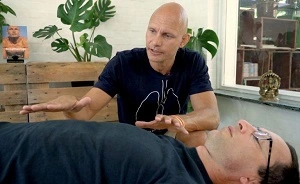
Train directly with Stig Severinsen and become a certified Breatheology Instructor. Master advanced techniques and integrate breathwork into your coaching, business, or personal practice.
Learn MoreUnlock the secrets to a happier, healthier life through the transformative power of breathwork. Discover how expert breathing techniques can reduce stress, improve mental clarity, enhance physical performance, and promote overall well-being. By mastering conscious breathing, you can boost energy levels, enjoy better sleep, and strengthen your emotional resilience.
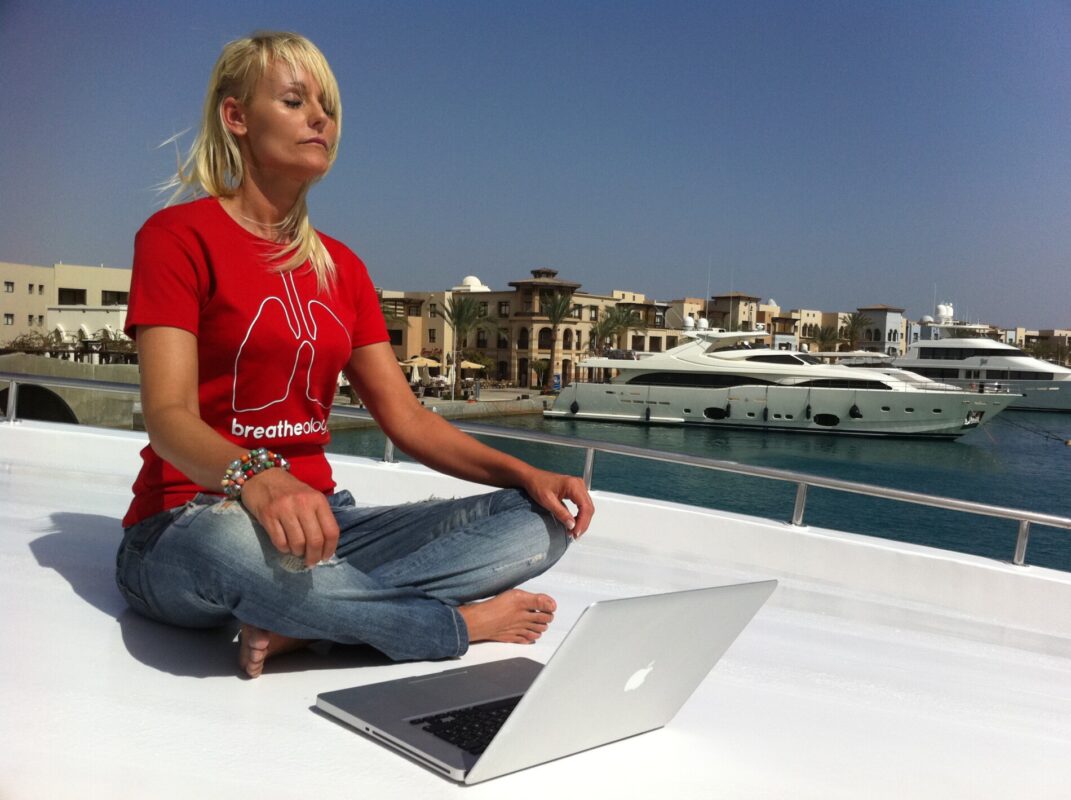
Feel more energetic at will and improve your sleep
Reduce anxiety with breathing & meditation exercises
Clear your mind for better decision-making
Optimize your training and recovery through breath
Enjoy a golden glow thanks to increased blood flow & oxygenation
Breathwork made easy & comprehensive
Follow a well-structured path of themes that set you up for success
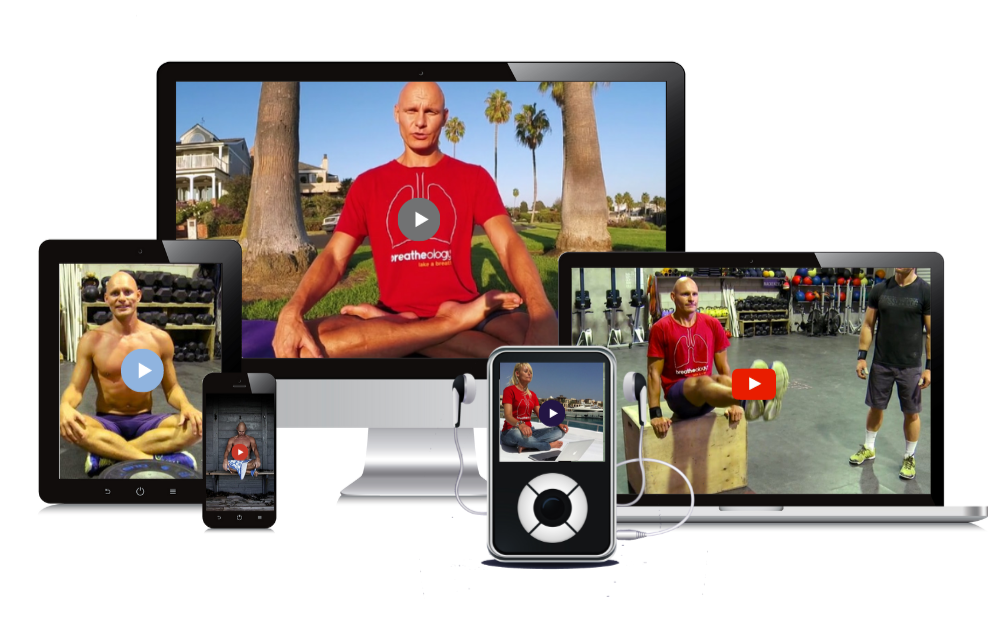
Our programs combine video lectures, exercises and quizzes to maximize your learning potential
Celebrate your completion of each step in your Breatheology journey with a personalized, signed certificate
The Breatheology platform is optimized for mobile devices so you can continue your breathwork education wherever, whenever!
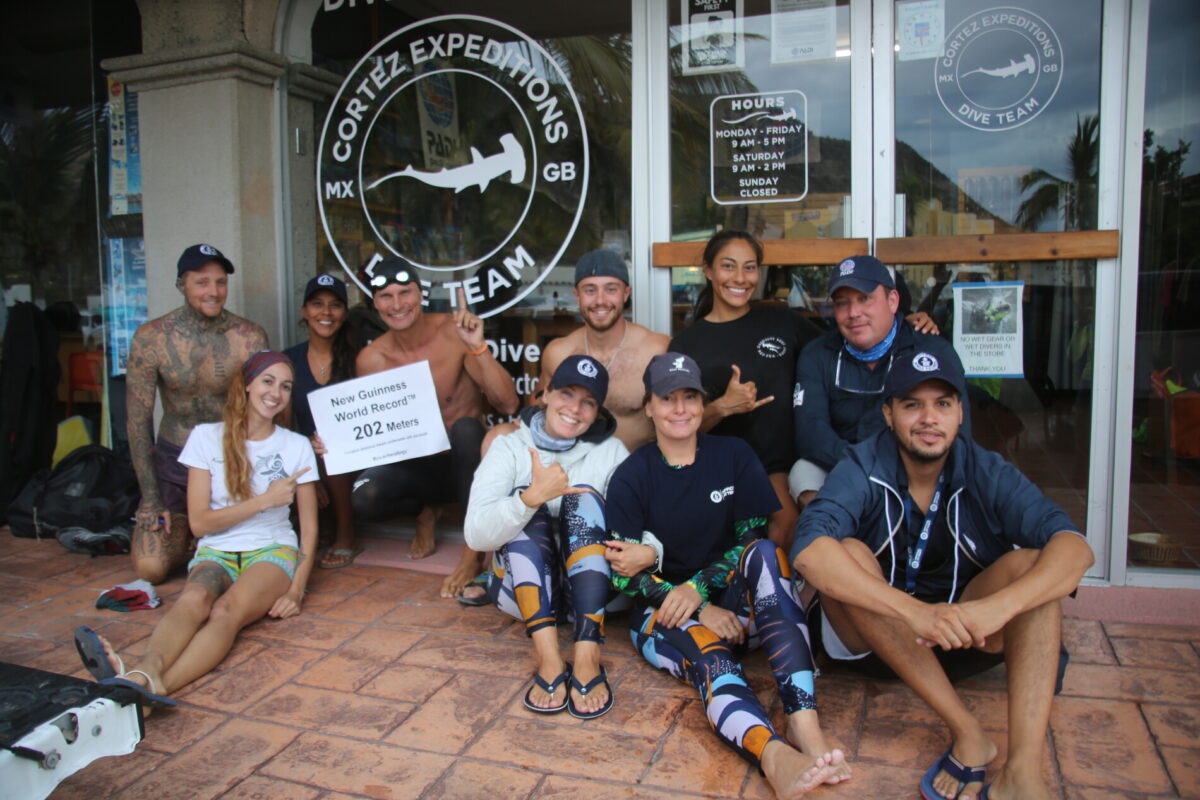
202.0 meters underwater in the open ocean on a single breath!
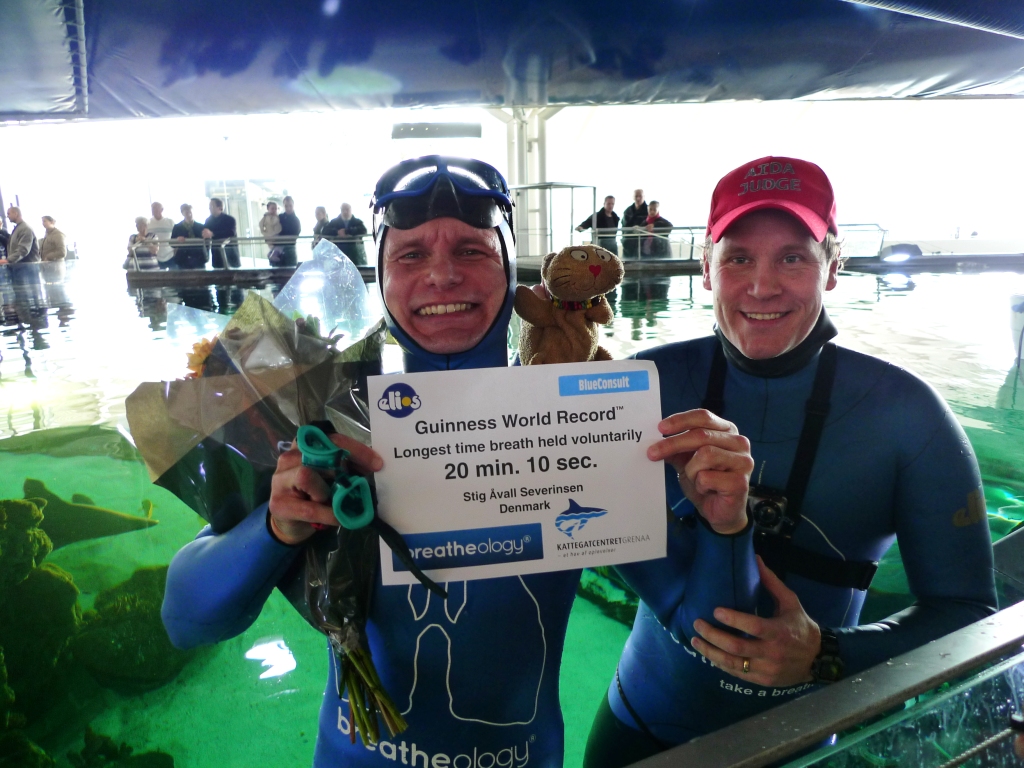
Stig Severinsen stuns world with his breathtaking dive with the length of a Seinfeld episode
WITNESS HISTORYDiscover how people transform their health and well-being through expert-guided breathing techniques.
Improve your physical health, enhance mental clarity, and experience the benefits of breathwork for better energy, reduced stress, and emotional balance—all in just one session.
Experience explosive energy and maximize your potential with peak performance breathing techniques.
Whether you’re training in the gym, competing in sports, or tackling a high-stakes challenge, mastering your breath is the key to unlocking your best performance and faster recovery.
Master the art of breath hold training and unlock the power of flow state breathing for ultimate calm and control. Enhance your CO2 tolerance, stay underwater longer, and maintain focus under pressure. Whether you’re free diving, competing in sports, or managing daily stress, breath holds help build resilience, boost mental clarity, and improve peak performance.
“I just want to say thank you for assisting in my breathing and breath holds.
Thank you Stig.”
“The knowledge and expertise around the art of conscious breathing that Stig provides with Breatheology is the foundation to creating that balance within oneself.”
When you choose Breatheology, you’re opting for a proven, effective approach to mastering your breath for better health, focus, and performance. Here’s why it’s the right choice for you:
Ready to explore conscious breathing and master some of the most effective breathing techniques and exercises? Hop over to the Breathwork Courses to start your journey.